
Now Reading: Understanding the Signal Relief Patch: Science, Real-World Use, Expectations
-
01
Understanding the Signal Relief Patch: Science, Real-World Use, Expectations

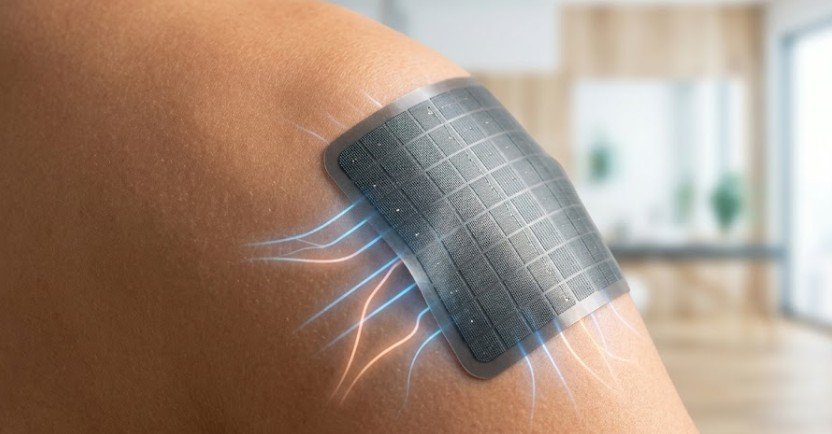
The technology behind the signal relief patch wasn’t originally designed for aching joints or sore lower backs. It was engineered for military communications to boost signal transmission and clear up electrical noise in radio equipment.
Today, that same bio-antenna concept is being pitched to millions of Americans as a revolutionary, drug-free way to quiet chronic pain.
If you have ever dealt with nagging muscle aches, you know how exhausting the search for relief can be. Between oral painkillers that upset your stomach and messy creams that smell like menthol, a reusable patch sounds almost magical.
But does a device with zero batteries, zero drugs, and no active heating element actually work? Let’s break down the science, the real-world performance, and how to decide if it is right for your pain toolkit.
How Bio-Antenna Technology Intercepts Pain Signals
To understand how the patch operates, it helps to understand how your body communicates pain.
When you injure a tissue or strain a muscle, your nerve endings fire off bio-electrical impulses straight to your brain. Your brain processes those rapid electrical signals and registers the sensation as pain.
The patch contains an inner layer filled with microscopic nano-capacitors. These tiny particles act like a passive micro-antenna array.
When placed near an active injury site, the patch absorbs and redistributes the excess electrical noise generated by overactive nerves. By smoothing out this bio-electrical signal loop, it aims to “mute” the intensity of the pain message before it reaches your central nervous system.
Because it operates purely through passive bio-electromagnetics, there are no chemicals absorbing into your bloodstream. It doesn’t rely on transdermal drugs like lidocaine or capsaicin.
According to medical research on electroceuticals published through the National Institutes of Health, modulating neural electrical signaling is quickly becoming one of the most promising frontiers in non-pharmacological pain therapy.
Decoding the Signal Relief Patch: Features, Efficacy, and Costs
When exploring this option, you will quickly notice it stands completely apart from traditional OTC wellness products.
Unlike disposable heating pads or sticky medicated plasters, the patch itself is non-adhesive, completely waterproof, and designed to last for years without losing its capacitive properties.
| Feature / Metric | Patch Specifications & Performance |
| Active Ingredients | None (100% drug-free, non-invasive) |
| Power Source | Passive bio-electricity (No batteries or charging needed) |
| Retail Price | $140 – $180 upfront (HSA/FSA eligible) |
| Reusability | Multi-year lifespan (Requires replaceable adhesives or wraps) |
| Clinical Footprint | Published individual case studies; limited large-scale RCTs |
While published case reports indexed on PubMed demonstrate individual patients experiencing dramatic reductions in chronic back pain, large-scale clinical consensus remains limited. Independent health watchdogs like ConsumerLab note that while the underlying physics of nano-capacitors is sound, individual responses vary widely based on the cause of the pain.
The Trial-and-Error Placement Rule
Here is something most promotional ads won’t tell you: placement is everything.
If you stick a lidocaine patch anywhere near a sore shoulder, the medicine eventually absorbs into the tissue. The signal relief patch, however, relies entirely on precise physical proximity to the exact neural signal loop. Slapping it directly on top of where it hurts doesn’t always work.
To find your “sweet spot,” you often have to practice a simple, systematic approach:
- Start at the Focal Point: Place the patch directly over the sharpest point of discomfort.
- Wait 10 to 15 Minutes: Give your nervous system a few minutes to adapt and observe any shift in pain intensity.
- Trace the Nerve Path: If you feel no change, slowly slide the patch 1 to 2 inches toward your spine or along the muscle pathway.
- Secure the Placement: Once you notice a dulling or warming sensation, lock the patch in place using medical tape, a dedicated adhesive layer, or fitted compression clothing.
Many users who initially report the patch “doesn’t work” simply haven’t found the right placement vector for their specific nerve alignment.
Patch vs. TENS Unit: Which Drug-Free Option Fits Your Life?
If you are looking for non-pharmacological options, you have likely looked into TENS (Transcutaneous Electrical Nerve Stimulation) devices as well. While both technologies aim to alter electrical nerve signals, the user experience could not be more different.
A TENS unit actively pumps gentle electrical currents into your skin using sticky electrode pads wired to a battery pack. It creates a buzzing, tingling sensation that distracts your brain from feeling underlying aches.
The patch, by contrast, is completely passive. It creates zero physical tingling, uses no wires or batteries, and fits flat under tight athletic wear without bulging.
If you need active, intense stimulation during a stationary physical therapy session, a TENS unit is a proven tool. But if you want discreet, continuous support while working at a desk, traveling, or moving around all day without fussing with battery cords, a passive patch holds a clear practical advantage.
Practical Troubleshooting Checklist Before You Buy
Before spending $140+ on a long-term bio-antenna patch, ask yourself these core questions to see if your situation matches its design:
- Is your pain superficial or deep structural? The patch works best on muscular strain, joint stiffness, and localized nerve irritation near the skin’s surface. Deep visceral or bone pain rarely responds as well.
- Are you willing to experiment with placement? If you expect instant relief without shifting the patch around to find the signal path, you might end up frustrated.
- Do you have sensitive skin? While the patch itself is inert, securing it requires medical adhesives or compression wraps. Make sure your skin handles medical tape well.
- Are you seeking a long-term investment? The high initial cost pays off over months and years of continuous reuse compared to constantly restocking disposable drug patches.
Situations Where Alternative Care Comes First
While passive nano-capacitors offer an intriguing option for everyday soreness, they are not a substitute for comprehensive medical evaluation.
If you are dealing with acute traumatic injuries, sudden unexplained nerve numbness, severe disc herniations, or systemic conditions like inflammatory arthritis, always consult a medical professional first. Electroceutical devices work best as supportive tools alongside targeted physical therapy, proper ergonomics, and medical guidance.
Frequently Asked Questions
1. How long does a signal relief patch last?
The patch itself has no active chemical ingredients or batteries, so it doesn’t “run out.” With proper care and gentle cleaning, the core patch can last for several years. Only the external double-sided adhesives need periodic replacement.
2. Can you wear the patch while sleeping or showering?
Yes. The patch is fully waterproof and durable. You can wear it in the shower, while swimming, or overnight, provided it is securely fastened to your skin using waterproof medical tape or an approved adhesive band.
3. Is the patch safe to use with a pacemaker?
Because the patch operates passively without generating its own active electrical currents, battery voltage, or magnetic fields, it is generally considered low-risk. However, anyone with an implanted medical device should consult their doctor before using bio-conductive products.
4. Why am I not feeling any sensation when wearing it?
Unlike heating pads or TENS units, the patch produces no active heat, cooling, or buzzing. It works passively to clear electrical noise. Relief typically feels like a gradual easing or absence of pain rather than a strong topical sensation.
Finding real comfort when managing daily aches often comes down to building a versatile, personalized toolkit. The signal relief patch offers a unique, non-invasive option by tapping into the body’s natural bio-electrical pathways without drugs or wires. While finding the exact placement requires patience and its upfront cost is an investment, its long-term reusability makes it a compelling alternative for those seeking drug-free relief. By understanding how bio-antenna technology works and keeping your expectations grounded, you can make a smart, informed decision for your daily body maintenance.