
Now Reading: Effective Strategies for Building Management Success
-
01
Effective Strategies for Building Management Success


Building management is a complex and multifaceted responsibility that demands a comprehensive approach to ensure the safety, functionality, and value of a property. It encompasses a wide range of tasks, from maintenance and operations to tenant relations and regulatory compliance. To succeed in this field, organisations and managers must implement strategic practices that foster efficiency, sustainability, and long-term success.
Understanding the Scope of Building Management
At its core, building management involves overseeing the day-to-day operations and upkeep of a building or group of buildings. This includes managing physical infrastructure, ensuring compliance with health and safety regulations, coordinating cleaning services, and maintaining equipment. Additionally, building managers often handle financial aspects such as budgeting, rent collection, and service contracts.
The role of building management can differ depending on the type of property, including residential, commercial, or mixed-use buildings. However, the principles of effective management remain consistent across these environments, requiring attention to detail, proactive maintenance, and clear communication channels.
The Importance of Preventative Maintenance
One of the fundamental strategies in building management is the implementation of preventative maintenance programmes. This proactive approach focuses on identifying and addressing potential issues before they escalate into costly repairs or safety hazards. Scheduled inspections and routine servicing of key systems such as HVAC, plumbing, and electrical installations are essential components of this strategy.
Preventative maintenance not only extends the lifespan of building assets but also improves occupant comfort and reduces unexpected downtime. Building managers must establish maintenance calendars and ensure that contractors adhere to agreed timelines and standards.
Leveraging Technology for Efficient Management
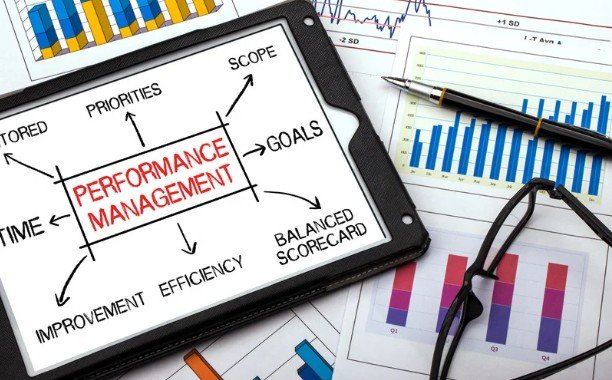
Modern building management increasingly relies on technology to optimise operational efficiency. Building information modelling (BIM), computerised maintenance management systems (CMMS), and Internet of Things (IoT) sensors can provide real-time data to monitor building performance. These tools support data-driven decision making, enabling managers to respond swiftly to maintenance needs and energy consumption patterns.
Technology also facilitates communication between stakeholders, including tenants, maintenance teams, and external service providers. Digital platforms allow for streamlined reporting of issues, scheduling of services, and tracking of maintenance activities.
Energy Efficiency and Sustainability
Incorporating energy-efficient practices is paramount within effective building management strategies. Reducing energy consumption lowers operational costs and minimises environmental impact, which is increasingly important in meeting regulatory requirements and attracting environmentally conscious tenants.
Strategies to improve sustainability include upgrading to energy-efficient lighting and appliances, optimising heating and cooling systems, and investing in renewable energy sources where feasible. Furthermore, waste management programmes and water-saving initiatives contribute to overall environmental responsibility.
Health and Safety Compliance
Ensuring the health and safety of building occupants is a legal and ethical obligation for building managers. Regular risk assessments, fire safety checks, and adherence to workplace safety standards are critical aspects of compliance.
Building managers must stay informed about current legislation and implement training and emergency preparedness plans. Effective communication regarding safety protocols cultivates a culture of awareness among occupants and staff.
Tenant Relations and Satisfaction
Tenant satisfaction plays a vital role in the success of building management. Engaging tenants through transparent communication and prompt resolution of concerns fosters positive relationships and reduces turnover.
Building managers can deploy tenant feedback mechanisms and regular satisfaction surveys to identify areas for improvement. Creating comfortable and well-maintained environments encourages long-term tenancies, which enhances financial stability for property owners.
Financial Management and Budget Control
Sound financial management underpins all aspects of building management. Developing realistic budgets that account for regular maintenance, contingencies, and service contracts is essential for sustained operation.
Building managers are responsible for monitoring expenses, negotiating with suppliers, and optimising cost-efficiency without compromising on quality or safety. Transparent financial reporting supports accountability and informed decision-making by stakeholders.
Outsourcing and Vendor Management
Many building management tasks benefit from outsourcing to specialised service providers. Engaging professional cleaning, security, and maintenance companies can enhance service quality and reliability.
Effective vendor management involves selecting reputable contractors, establishing clear service level agreements (SLAs), and conducting regular performance evaluations. Delegating routine operations enables building managers to focus on strategic oversight.
Emergency Preparedness and Risk Management
Building management must include comprehensive emergency preparedness planning. This involves identifying potential risks such as fires, floods, or structural failures and developing response protocols.
Regular drills, clear evacuation plans, and accessible emergency equipment are critical components. Risk management also includes insurance coverage assessments and contingency planning to mitigate financial and operational impacts.
Training and Development of Building Staff
Investing in the training of building management personnel contributes significantly to operational excellence. Skilled staff are better equipped to handle technical tasks, comply with regulations, and interact professionally with tenants and contractors.
Continuous professional development ensures that building teams remain up to date with evolving industry standards and technologies.
Legal and Regulatory Considerations
Building managers must navigate a complex landscape of laws affecting property management, occupancy, construction standards, and environmental regulations. Ignorance or non-compliance can result in legal penalties and reputational damage.
Engagement with legal advisors and participation in industry forums can help those involved in property investment maintain an up-to-date understanding of legislative changes relevant to building management.
Adopting Best Practices in Sustainability Reporting

As environmental accountability grows in importance, reporting on sustainability initiatives within building management has become a best practice. Transparent disclosure of energy consumption, waste reduction, and sustainability goals demonstrates corporate responsibility.
Many property owners and tenants now expect such reporting, which can influence marketability and compliance with green building certification schemes.
The Role of Communication in Building Management Success
Effective communication is fundamental to successful building management. This includes interactions with tenants, contractors, regulatory bodies, and internal teams. Clear, timely, and consistent communication minimises misunderstandings and facilitates collaboration.
Utilising digital communication platforms alongside traditional methods enables managers to cater to diverse audiences and enhance responsiveness.
Continuous Improvement and Performance Monitoring
Building management is an evolving discipline that benefits from ongoing performance evaluation and improvement initiatives. Establishing key performance indicators (KPIs) related to maintenance response times, tenant satisfaction, energy efficiency, and financial performance supports targeted improvements.
Regular review meetings and audits ensure that strategies remain relevant and effective in meeting organisational goals.
Conclusion
Successful building management requires a holistic and strategic approach across various operational dimensions. From preventative maintenance and regulatory compliance to tenant relations and financial stewardship, building managers must employ effective strategies to safeguard property value and occupant wellbeing.
Incorporating technology, fostering sustainability, and maintaining clear communication are critical enablers of building management success. Organisations seeking to optimise their property operations can benefit from partnering with experienced providers specialising in building management solutions tailored to their specific needs.