Now Reading: Inside the NS Mainframe: A Beginner’s Guide to Railway Logistics Technology
-
01
Inside the NS Mainframe: A Beginner’s Guide to Railway Logistics Technology
Inside the NS Mainframe: A Beginner’s Guide to Railway Logistics Technology

Every single day, thousands of miles of steel tracks carry hundreds of thousands of tons of freight across the eastern United States. Yet, the most critical engine keeping this massive network moving isn’t powered by diesel—it runs on code.
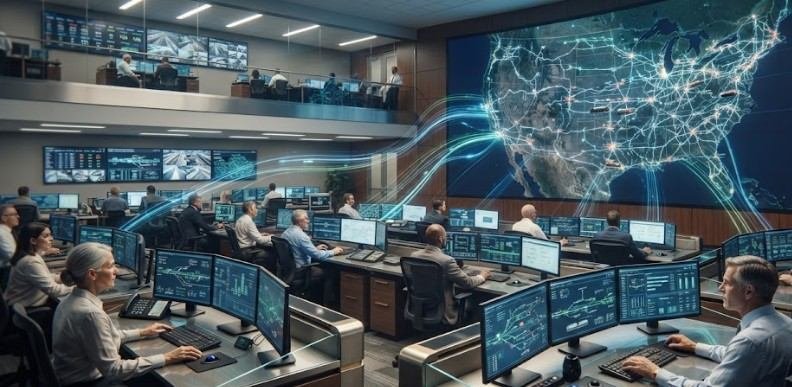
At the center of Norfolk Southern Corporation’s rail network lies the NS mainframe. It is an enterprise computing hub that acts as the digital central nervous system for one of North America’s largest Class I railroads.
If you are just starting out in logistics, rail transport, or enterprise systems, mainframe technology might sound like a relic from the 1970s. However, modern railways rely on these high-throughput systems to process millions of transactions per second without crashing.
Here is everything a beginner needs to know about how the NS mainframe works, why it remains essential, and how field workers interact with it daily.
Why Modern Railroads Still Rely on Mainframe Power
Mainframes process massive streams of concurrent data with near-zero downtime. Unlike standard server racks, enterprise mainframes excel at continuous bulk data processing, which makes them ideal for complex transportation networks.
According to research from the U.S. Department of Transportation, freight rail moves roughly 28% of all U.S. freight volume measured by ton-miles. Managing that sheer volume requires absolute system stability. A 30-minute system outage across a major rail corridor can trigger domino-effect delays stretching from Chicago to the Atlantic coast.
The NS mainframe processes constant streams of telemetry, inventory updates, and labor assignments in real time. Modern web dashboards and mobile applications act as polished user interfaces, but the heavy lifting, security, and record validation happen on the mainframe core back at corporate headquarters.
What the System Does: Core Functions Demystified
For beginners, the easiest way to understand this central computing hub is to look at its primary modules. Instead of one massive, confusing dashboard, the system divides operational tasks into specialized subsystems.
1. Crewcall: Automated Workforce Scheduling
Rail crews don’t work a typical 9-to-5 shift. Federal regulations strictly govern rail worker hours to prevent fatigue, creating a dynamic operational puzzle.
The Crewcall module manages board placements, crew scheduling, and automated call-outs. It ensures qualified engineers and conductors are assigned to train departures while strictly enforcing rest-period compliance.
2. Realtime: Live Rail Tracking and Logistics
Railcars change hands constantly between different train yards, regional carriers, and private industrial sidings.
The Realtime system maintains a continuous record of active train locations, car weights, cargo types, and yard track assignments. If a single boxcar goes off-schedule, the Realtime module flags the anomaly.
3. Memo: The Internal Communication Pulse
Safety notices, track work updates, and speed restrictions change on a regular basis.
The Memo subsystem acts as a secure operational bulletin board. Field managers and dispatcher crews access Memo to review verified internal communications before clearing trains for departure.
4. Data Integration with Modern Apps
While field workers once interacted with command-line terminals, modern enterprise tech bridges legacy systems with smartphone interfaces. The mainframe feeds real-time updates directly into mobile applications like NS Trax and ExpressNS, giving truck drivers and shipping partners instantaneous status alerts.
Troubleshooting Guide: Accessing the Portal
New employees and authorized partners access mainframe tools through the internal Employee Resource Center (ERC). Because mainframes run high-security browser sessions, modern web browsers occasionally block connection attempts.
If you encounter a blank page or login error while attempting to open the system, work through this practical checklist:
| Issue | Root Cause | Recommended Fix |
| Blank window on click | Browser pop-up blocker intervention | Hold down the CTRL key while clicking the login link to force open the session window. |
| Connection timed out | Security filter blocking external domain | Add *.nscorp.com and erc2.nscorp.com to your browser’s pop-up exception list. |
| Login loop or stalled loading | Corrupted session tokens in cache | Clear your browser’s temporary internet files, history, and cookies, then restart the browser. |
| Permission denied screen | Stale security certificate | Log out of the base ERC portal entirely, close all active windows, and re-authenticate. |
Enterprise Reliability vs. Desktop Computing
It helps to contrast everyday computing with industrial-grade mainframe infrastructure. The average laptop prioritizes graphic rendering and user speed for a single person. Mainframes prioritize throughput, security, and uninterrupted continuity for thousands of users simultaneously.
Research highlighted by the National Institute of Standards and Technology emphasizes that critical infrastructure systems require strict redundancy to protect operational integrity. Mainframe architectures achieve high reliability by using dual-redundant processing chips, hot-swappable storage units, and automated failover circuits.
When you track a package moving across the country by rail, you are benefiting from a tech ecosystem that prioritizes stability over trendy interface updates.
Common Misconceptions About Rail Mainframes
- Misconception 1: Mainframes are obsolete.
Reality: Mainframes handle the back-end processing for most global banking networks, flight control channels, and supply chains. Modern mainframes run Linux, interface with cloud infrastructure, and execute REST APIs seamlessly.
- Misconception 2: Web apps operate independently.
Reality: Mobile apps like ExpressNS serve as visual layers. The actual authorization, inventory ledger update, and route verification happen on the back-end mainframe.
- Misconception 3: System errors usually mean the server is down.
Reality: Over 90% of end-user access errors stem from local browser settings, pop-up blockers, or expired local cache files rather than central server downtime.
Frequently Asked Questions
1. What is the NS Mainframe used for?
It is the central computing system used by Norfolk Southern Corporation to manage train tracking, crew scheduling, operational bulletins, and shipping logistics in real time.
2. How do field crews check their schedules on the mainframe?
Employees log into the central portal using their company credentials to access Crewcall, which displays upcoming shifts, board positions, and call-out lists.
3. Why does the mainframe portal block my login attempts?
Strict security protocols require pop-up permissions. Your browser’s pop-up blocker often intercepts the authentication window before it can launch.
4. Can customers access the NS Mainframe directly?
No. Customers interact with user-friendly web portals and mobile apps like NS Trax, which pull updated logistics data directly from the mainframe back end.
Moving Forward in Logistics Tech
Understanding the systems behind modern rail transport changes how you view global supply chains. The NS mainframe demonstrates how established legacy systems continue to drive modern commerce, adapting through API integrations while keeping foundational logistics stable, safe, and efficient.