
Now Reading: IRS Stimulus Checks 2025: Fact vs. Fiction and What You Need to Know
-
01
IRS Stimulus Checks 2025: Fact vs. Fiction and What You Need to Know

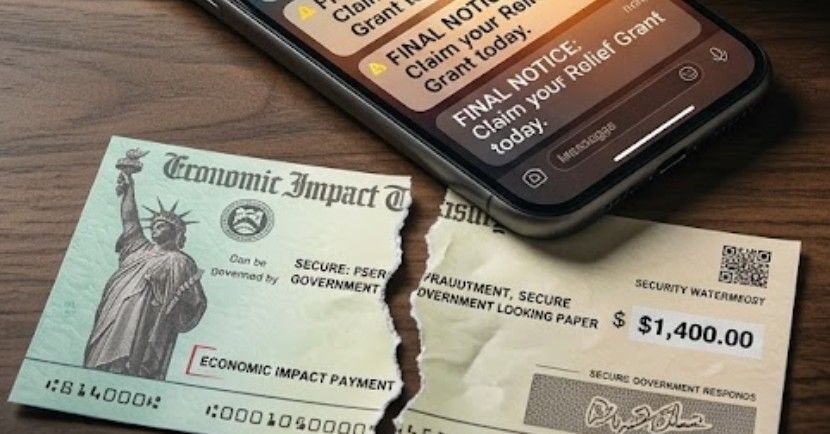
If you recently saw a viral TikTok video or received a urgent-sounding text message promising a new IRS stimulus check in 2025 worth $1,400 or a $6,400 “health subsidy,” here is the immediate truth: it is a scam.
The federal government has not authorized, scheduled, or funded any new round of direct economic impact payments for 2025. Furthermore, the absolute final legal window to claim missing money from past pandemic checks permanently closed on April 15, 2025.
While social media hype keeps bringing up false rumors of government handouts, getting your finances right comes down to separating official IRS policy from online noise. Here is everything you need to know about the current state of federal stimulus checks, what happened to unclaimed funds, and how to protect your wallet.
What Is Happening with IRS Stimulus Checks in 2025?
The short answer is simple: official federal stimulus payments are over.
Between 2020 and 2021, Congress authorized three separate rounds of Economic Impact Payments (EIP) under the CARES Act, the Consolidated Appropriations Act, and the American Rescue Plan. Those payments—totaling up to $3,200 per eligible adult—were emergency measures designed to cushion the immediate economic shock of global pandemic shutdowns.
Once those emergency programs concluded, federal direct cash aid ended with them. Congress has not passed any legislation creating a new relief check for this year.
If you see headlines or posts using terms like “4th Stimulus Check,” “2025 Federal Relief Grant,” or “Tariff Dividend Check,” take a step back. The Internal Revenue Service (IRS) does not issue payments unless authorized by law. Right now, no such law exists.
The Hard Reality of the April 15, 2025 Deadline
For years, people who missed out on their initial pandemic payments could still claim them retroactively. The IRS established a mechanism called the Recovery Rebate Credit, allowing eligible Americans to file back-tax returns and collect missing stimulus funds.
However, federal law sets a strict three-year clock on claiming tax refunds.
- The deadline for the first two stimulus payments (2020 tax year) expired on May 17, 2024.
- The deadline for the third stimulus payment of $1,400 (2021 tax year) officially expired on April 15, 2025.
Now that the April 15, 2025 deadline has passed, the IRS is legally barred from issuing missing stimulus funds from those initial relief bills. Even if you met every single qualification back in 2021, unclaimed money effectively reverted back to the U.S. Treasury.
Beware of Scams: How Fraudsters Target Your Wallet
With official stimulus checks in the rearview mirror, scam operations have ramped up significantly. Scammers know that many families are dealing with tight budgets, and they use the promise of “free government money” to trick people into handing over personal information.
According to security alerts from the Federal Trade Commission and the Internal Revenue Service, these fraudulent schemes usually take a few recognizable forms:
1. Phishing Text Messages and Emails
You get a text message saying: “IRS Alert: You have an unclaimed $1,400 stimulus payment waiting. Click here to verify your identity.”
The Truth: The IRS will never initiate contact with you by text message, email, or social media to demand personal info or send direct deposit links.
2. The “$6,400 Spending Card” Social Media Ads
Pop-up ads on video platforms show AI-generated celebrities or news anchors claiming the government is handing out $6,400 stimulus cards for groceries and rent.
The Truth: These ads misrepresent Affordable Care Act health insurance subsidies. They trap viewers into giving away sensitive personal information to lead-generation brokers.
3. Fake Processing Fees
A caller claiming to represent a federal agency says you qualify for a surprise grant, but you have to pay a small processing fee via gift card, Zelle, or cryptocurrency.
The Truth: The real government will never ask you to pay a fee to receive a tax refund or legitimate benefit.
Past Stimulus Rules vs. Today’s Reality
To clear up any confusion about where things stand today, here is a quick breakdown comparing the old stimulus checks to the current fiscal landscape:
| Feature | Past Stimulus (2020–2021) | Current Status (2025) |
| Federal Checks Authorized? | Yes ($1,200, $600, $1,400) | No — No new payments authorized. |
| Retroactive Claiming? | Available via Recovery Rebate Credit | Expired — April 15, 2025 deadline passed. |
| IRS Contact Method | Official letters sent via postal mail | Official letters only; never texts or emails. |
| Primary State Alternatives | State-level tax rebates vary widely | Select state rebates exist (e.g., inflation relief). |
Step-by-Step: How to Safely Check Your Official IRS Records
If you want absolute peace of mind about your payment history without risking your personal data, follow this secure verification routine:
- Bypass Social Media Links: Never click a link in a text message, email, or ad claiming to take you to a “stimulus portal.”
- Go Direct to the IRS: Type IRS.gov directly into your web browser address bar.
- Log Into Your IRS Online Account: Click on “Sign in to Your Account.” If you don’t have an account, you can create one securely using ID.me.
- Review Your Records: Navigate to the Tax Records page. This section displays your transcript and lists all official Economic Impact Payments previously issued to your Social Security number.
- Trace Lost Checks: If your online account shows a past check was issued but you never actually received it, you can request a official payment trace by filing IRS Form 3911.
Real Ways to Boost Your Finances Without a Stimulus Check
Even though new federal checks aren’t coming, you can still find extra funds through legitimate channels:
- Claim Standard Tax Credits: Make sure you are taking full advantage of the Earned Income Tax Credit (EITC) and the Child Tax Credit (CTC) when you file your current tax returns. These credits reduce what you owe dollar-for-dollar and often yield substantial refunds.
- Look into State Relief: While federal stimulus is off the table, certain states periodically pass budget surpluses back to residents in the form of property tax rebates or local inflation relief checks. Check your state’s official Department of Revenue website.
- Review Unclaimed Property Databases: States hold billions of dollars in forgotten bank accounts, utility deposits, and uncashed paychecks. Visit MissingMoney.com (an official state-sponsored network) to check if you have unclaimed funds waiting for you.
Frequently Asked Questions
- Is the IRS sending out a new stimulus check in 2025?
No. There are no new federal stimulus checks authorized or scheduled by the IRS or Congress for 2025. Viral claims on social media offering new payments are scams.
- Can I still claim a missing $1,400 stimulus check from 2021?
No. The absolute final deadline to file or amend a 2021 tax return and claim the Recovery Rebate Credit was April 15, 2025. That deadline has permanently passed.
- What should I do if I get a text message about a 2025 stimulus payment?
Do not click any links or share personal information. The IRS does not send unsolicited texts or emails. Delete the message immediately or report it to phishing@irs.gov.
Conclusion
Understanding the reality of IRS stimulus checks in 2025 comes down to recognizing that federal pandemic relief programs have officially closed. The final cutoff to retroactively claim missing payments passed on April 15, 2025, and no new relief legislation has been enacted. Staying informed helps protect your wallet and personal identity from deceptive online scams. Instead of falling for fake offers promising instant money, focus on legitimate financial moves like claiming eligible tax credits, checking state unclaimed property bases, and verifying your official tax history directly on IRS.gov.