
Now Reading: Expert Guide to Interlock Installation Services
-
01
Expert Guide to Interlock Installation Services


Interlock systems have become an essential tool in managing impaired driving, providing safety and security for individuals and communities alike. For those looking to implement these systems, understanding the precise process and benefits of interlock installation is crucial. This expert guide offers comprehensive insights into the various aspects of interlock installation services, highlighting key considerations and industry standards that ensure reliable and effective outcomes.
What is an Interlock System?
An interlock system is a breath alcohol ignition device that prevents a vehicle from starting if the driver’s blood alcohol concentration (BAC) exceeds a predetermined limit. Typically mandated by judicial or regulatory authorities for convicted drunk drivers, these devices play a vital role in reducing road accidents linked to alcohol impairment.
The technology measures breath alcohol content in real-time and ensures that vehicles are only operable when drivers are sober. Installation of such devices requires specialised knowledge and adherence to strict guidelines to maintain both effectiveness and compliance with legal requirements.
Importance of Professional Interlock Installation

Choosing professional interlock installation services is imperative to ensure accuracy, durability, and legal compliance. Incorrect installation may cause malfunctions, leading to unnecessary inconvenience or failure to prevent impairment-related incidents.
Certified technicians familiar with the latest interlock technology and regulatory standards are best suited to install these devices. They ensure that the interlock system operates smoothly, is properly calibrated, and integrates seamlessly with a vehicle’s ignition system.
Key Components of Interlock Systems
A typical interlock system consists of several components:
- A breathalyser unit installed within easy reach of the driver
- An electronic control module linked to the vehicle’s ignition system
- A rolling retest feature that requires the driver to blow into the device at random intervals while driving
- A data logging system monitoring compliance and recording all breath test results
Each component plays a crucial role in ensuring the interlock’s reliability. Installation professionals must be adept at fitting these components without damaging the vehicle’s existing systems or compromising safety features.
Steps Involved in Interlock Installation
The installation process follows a structured approach:
1. Assessment and Preparation
The technician evaluates the vehicle type and model to determine compatibility and the specific installation requirements. This step involves inspecting the wiring, ignition system, and vehicle dashboard layout.
2. Device Configuration
Prior to installation, the interlock device is calibrated and programmed with user-specific settings, including the BAC threshold and retest intervals.
3. Physical Installation
The breathalyser unit is mounted in a convenient location, often near the driver’s seat. The control module is integrated with the ignition system, requiring precise wiring and secure connections to prevent tampering.
4. Testing and Quality Check
Once installed, comprehensive testing is conducted to verify the device’s accuracy and function. Compliance data recording and communication features are also reviewed.
5. User Instruction
The customer is provided with detailed instructions on how to operate the device, understand alerts, and maintain system functionality. This ensures correct usage and minimises faults.
Legal and Regulatory Considerations
Interlock installation must comply with local and national regulations governing impaired driving. These laws stipulate specific installation standards, calibration frequency, and data handling practices.
Failing to adhere to legal requirements can result in invalidated installations, penalties, or liability issues. Professional services remain updated on legislative changes and incorporate these into their installation procedures.
Benefits of Interlock Installation
Implementing interlock devices offers multiple benefits, including:
- Enhanced Road Safety: By preventing impaired driving, interlocks reduce accidents and fatalities.
- Legal Compliance: Many jurisdictions require interlock installation as part of court orders or licence reinstatement programs.
- Behaviour Change: The presence of a device encourages responsible behaviour and abstinence from alcohol when planning to drive.
- Data Monitoring: Accurate logs help authorities verify compliance and identify potential risks early.
Maintenance and Calibration
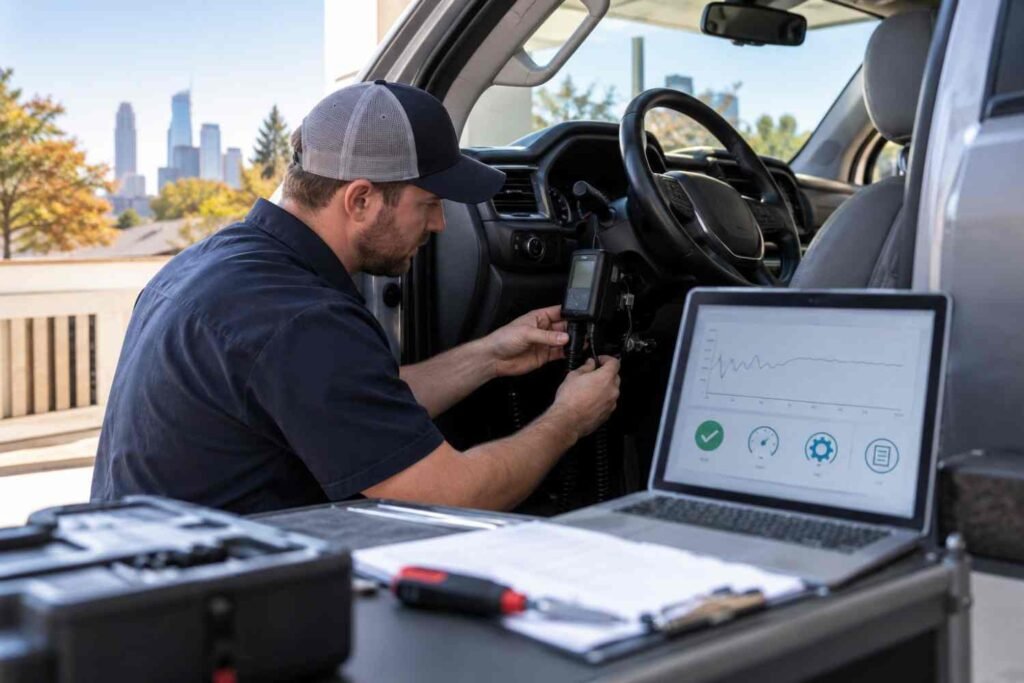
Regular maintenance and calibration are mandatory to ensure the interlock system remains reliable and accurate. Typically, devices require servicing every 30 to 60 days.
Professional service providers often include maintenance packages and reminders to assist customers. This ongoing care prolongs device lifespan and mitigates malfunctions that could affect vehicle operation.
Choosing the Right Interlock Service Provider
When selecting a provider for interlock installation, it is important to consider:
- Certification and accreditation of installation technicians
- Experience with a range of vehicle types and interlock brands
- Customer support services, including training and maintenance
- Compliance with legal and regulatory standards
- Transparent pricing and warranty options
Technological Advancements in Interlock Systems
Recent developments in breathalyser technology have introduced features such as:
- Wireless data transmission for remote monitoring
- Improved sensor accuracy with faster response times
- Integration with smartphone applications for ease of use
- Enhanced tamper detection mechanisms
Staying informed about these advances allows users to benefit from more reliable, convenient, and secure interlock systems.
Impact of Interlock Installation on Insurance and Employment
In some cases, the installation of interlock devices can influence vehicle insurance premiums, often leading to reductions due to lowered risk profiles. Similarly, certain employers may mandate or encourage the use of these devices for workers who drive as part of their duties.
Understanding these implications can assist individuals and organisations to make informed decisions regarding interlock installation.
Addressing Common Concerns About Interlock Devices

Many drivers initially express concerns about the operation and reliability of interlock devices. However, professional installation and clear user guidance mitigate most issues.
Concerns such as false positives, device malfunction, or inconvenience during use are minimised through modern technology and expert servicing. Ongoing support also ensures that any technical difficulties are promptly addressed.
Conclusion
Interlock installation represents a vital measure in promoting safer roads and responsible driving. By relying on experienced professionals who understand vehicle systems, technology, and regulatory frameworks, individuals and organisations can ensure optimal installation outcomes.
For quality interlock installation services that prioritise accuracy, compliance, and customer support, consider engaging specialised providers. Their expertise guarantees that interlock systems function effectively to enhance safety and meet all legal obligations.